



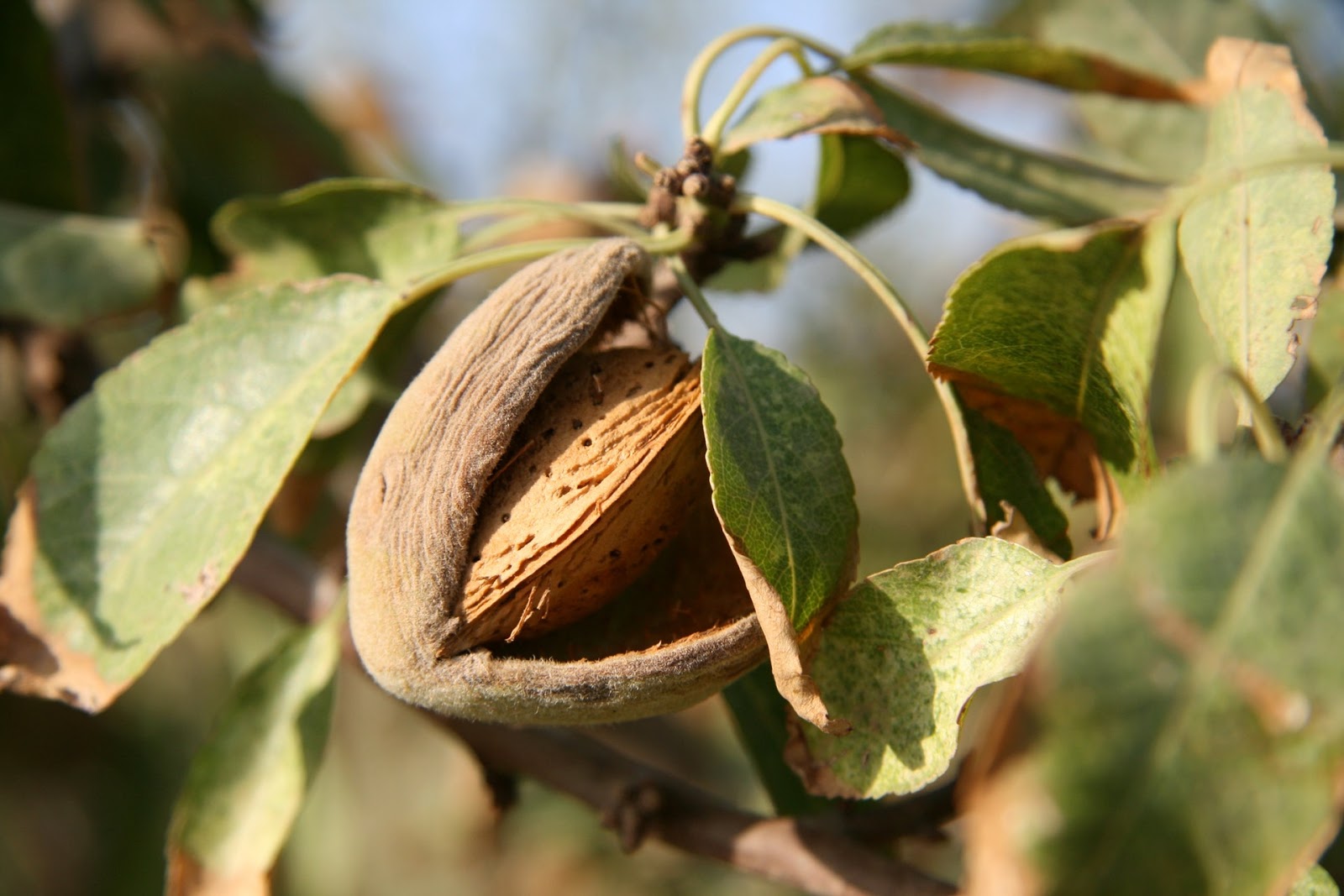
Almonds: Nutrition & Health Benefits
The almond is a tree nut native to the Mediterranean region. Historically, almond trees grew there wild and were later cultivated as early as 3000 BC. Almonds are even referenced in the first book of the Bible, Genesis, as a prized food given as gifts. The edible part of the almond is actually a seed from a drupe, a fruit in which the outer shell and hull layers are typically not eaten. After extracting the almond seed, the shells and hulls are often used for livestock feed and bedding. Rich in Vitamin E Monounsaturated fats Fiber Biotin Minerals: Calcium, Phosphorus, Magnesium Trace minerals: Copper Phytonutrients, specifically flavonoids, plant sterols, phenolic acids One serving of almonds equals one ounce, about 23 almonds or ¼ cup. It is a calorie-dense food but also nutrient-dense with the majority of its fat being monounsaturated. One ounce
Read More